
one and a half is an animation studio in Cyprus creating animated films for documentary storytelling, cultural projects and public communication.
Phone: +357 99 658134
Email: info@theoneandahalf.com
One And a Half
53 Georgiou Griva Digeni, Larnaca, 6046
Memories of a Sweet Homeland is a feature-length historical documentary exploring the experiences of Asia Minor refugees who resettled in Cyprus in the aftermath of the events of 1922.
The film follows director Stavros Papageorgiou as he reconstructs fragments of family history through archival investigation, testimony and historical research, gradually revealing the stories of those displaced during this period.
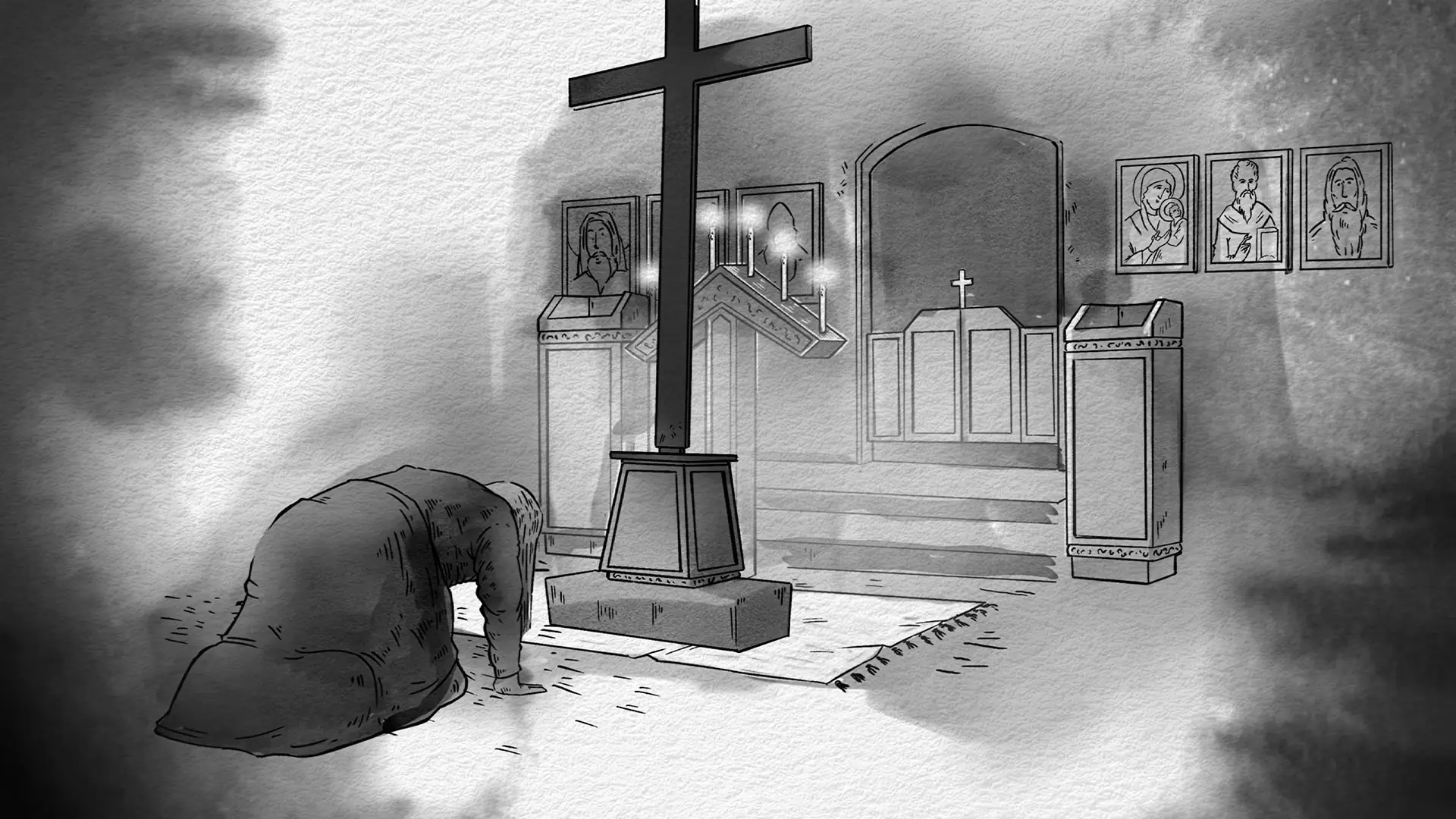
Commissioned by Tetraktys Films, one and a half Animation Studio, developed approximately fifteen minutes of illustrated animation sequences visualising memories described in interviews and historical passages for which no visual documentation survives.
The extract below presents one of the animated memory sequences developed for the documentary.
THE ARRIVAL OF ASIA MINOR REFUGEES IN CYPRUS
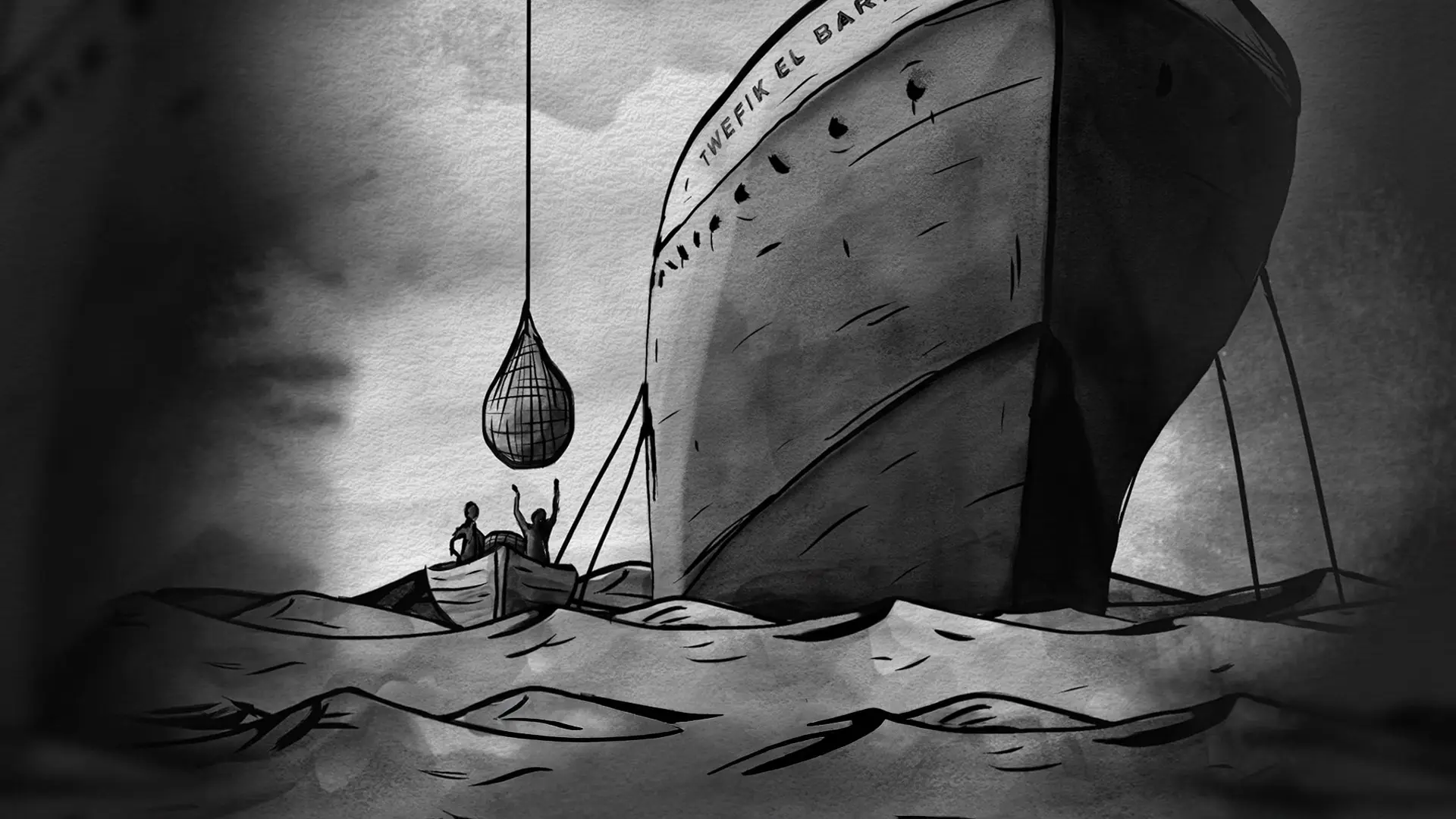
The documentary is rooted in the arrival of Asia Minor refugees to Cyprus following the catastrophe of 1922. In October of that year, the merchant steamer "Twefik El Bari" reached the port of Larnaca carrying 509 displaced refugees from Alaya, a coastal city in Asia Minor.
Forced to abandon their homes after the violence and expulsions that followed the burning of Smyrna, the passengers arrived in Cyprus exhausted and uncertain of their future.
From this moment, the film expands to explore the wider history of the Asia Minor refugees who eventually found refuge on the island.
RECONSTRUCTING MEMORY WITHOUT FOOTAGE
Many of the events described in the documentary exist only through testimony.
Family recollections, fragmented archives and oral histories form the narrative foundation of the film. For these moments, animation became a way to give visual form to memory while preserving the reflective tone of the interviews.
Rather than reconstructing events with dramatic emphasis, the animated sequences inhabit the space between recollection and historical absence. Images appear as quiet impressions of places, journeys and lived moments.
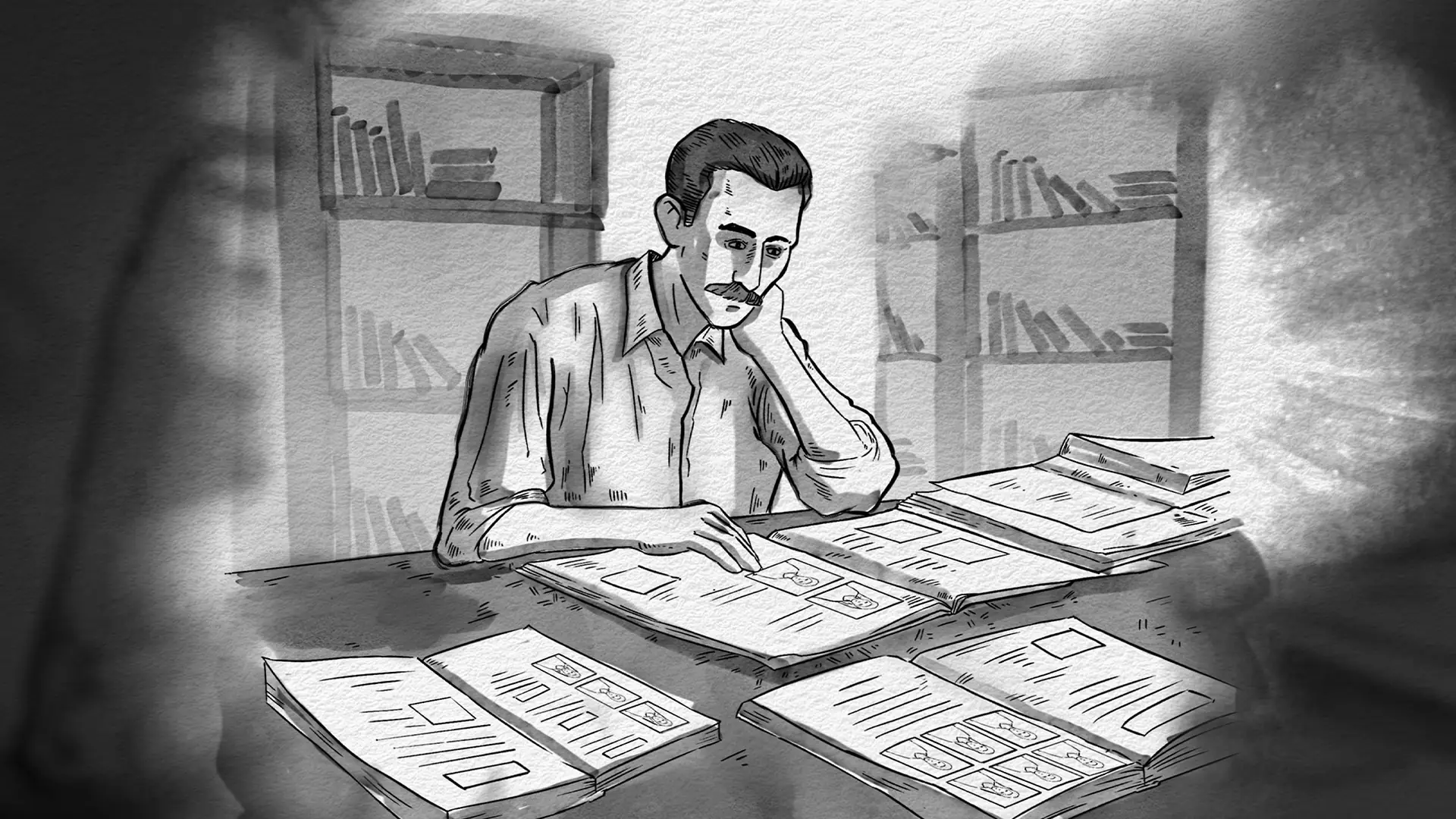
Research into photographs, written accounts and archival references helped guide environments, attire and objects represented in the animation.
Each composition was developed to remain grounded in historical context while supporting the emotional weight carried by the testimonies.
ILLUSTRATING TESTIMONY AND RESTRAINED MOTION
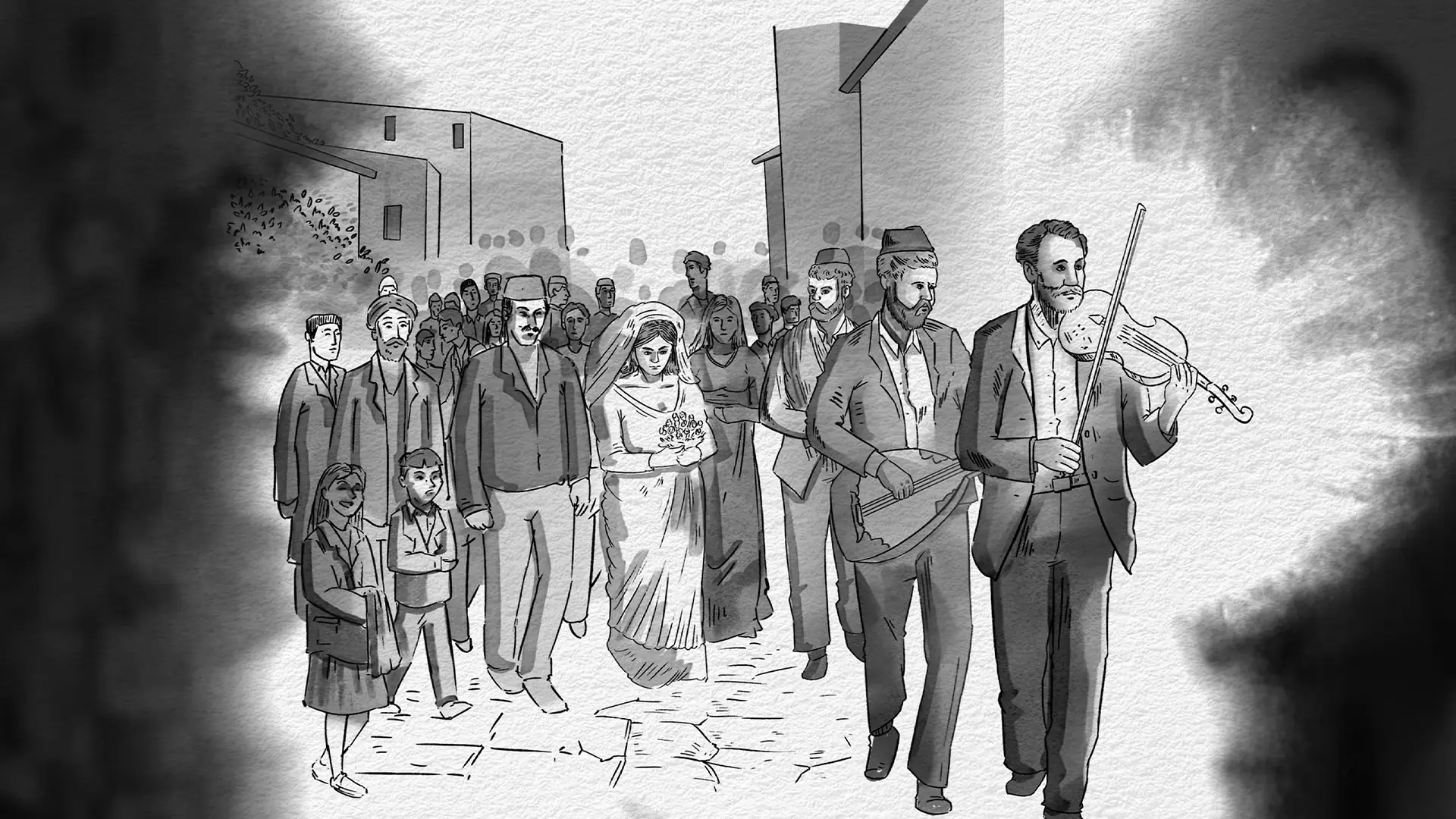
Given the documentary’s reflective tone, the visual approach prioritised illustration and composition over elaborate character animation.
Movement remains minimal and deliberate. Subtle camera motion, parallax and compositional shifts introduce gentle rhythm without disturbing the stillness of the images.
It clarifies moments described in interviews, visualises historical environments and supports transitions between testimony, archival material and contemporary footage.
Within documentary filmmaking, animation can operate as a precise narrative instrument, capable of filling visual gaps while maintaining historical sensitivity.
The extract below presents one of the animated historical and testimonial sequences developed for the documentary.
HISTORICAL RESEARCH AND VISUAL DEVELOPMENT
Historical research formed the foundation of the visual language.
Archival material, written accounts and contextual studies informed the design of locations, clothing, objects and spatial atmosphere.
Where historical references were incomplete, additional visual research methods were used during early development to explore possible environments and compositions.
AI image generation tools were used at this stage purely as exploratory references during pre-production. Generated images helped test spatial arrangements and contextual possibilities when photographic sources were unavailable.
These references informed composition planning before the final artwork was illustrated manually.
All final illustrations and animation sequences were produced internally by the studio.
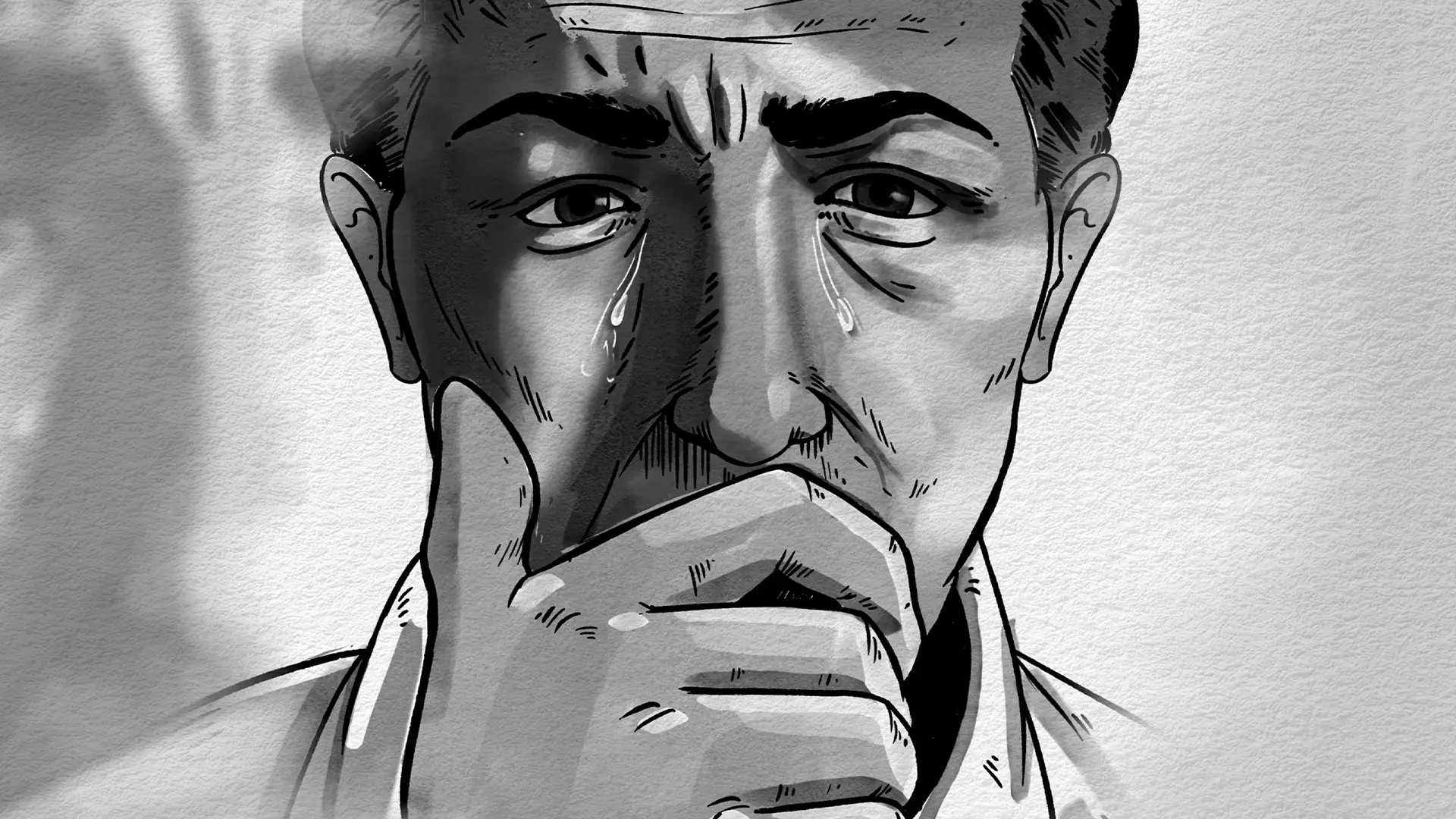
The visual language was developed as a restrained black-and-white ink wash style, allowing memory and historical atmosphere to emerge through texture, light and composition.
FUNCTION WITHIN THE FILM
The completed film has been presented through festival screenings and broadcast platforms, contributing to ongoing conversations around displacement, cultural memory and identity within Cyprus and broader European historical discourse.
Within the documentary, the animated sequences function as narrative bridges.
They provide visual continuity where archival material is absent, helping audiences enter moments that would otherwise remain abstract or described only through words.
The project demonstrates how animation can operate within documentary filmmaking not as decoration, but as a precise storytelling instrument.
CONTINUING DIRECTION - ANIMATION AS DOCUMENTARY LANGUAGE
In Memories of a Sweet Homeland, animation becomes a quiet bridge between testimony and history, allowing what was remembered to be seen.
This project forms part of the studio’s broader body of work in narrative, documentary, cultural and public communication contexts.
Explore more projects on our Work page.
Animation Credits
Animation Direction:
Yiannis Philiastides
Animation Production:
one and a half
Animation and Illustration
Greg Pilava
Christina Kalli
Michael Papanicolaou
 28 April 2021 by theone, in pr_educational,pr_informational,pr_rescomm,Projects
PRIO – Cyprus Peace Dividend – Research Communication
A series of animated videos and infographics for PRIO Cyprus with the purposes o...READ MORE +- 11 March 2026 by theone, in Projects,Public Communication
EU Research Communication Video – HuMUS Project
Animation created for the HuMUS EU Mission Soil initiative introducing sustainab...READ MORE + - 25 April 2021 by theone, in Projects,pr_informational,pr_marketing,pr_promo
Protaras Film Festival 2017 – Animated videos
Protaras Summer Film Festival 2017...READ MORE +